
When is the best time to build a deck in Tennessee? A season-by-season guide for Middle Tennessee homeowners
By Nixon Renovations LLC · Spring Hill, TN · Updated October 31, 2026
The best time to build a deck in Tennessee is fall. October is the driest month at Nashville International Airport in NOAA’s 1991 to 2020 normals, and the summer heat has passed. Spring works too, but May is the wettest month and every homeowner wants a deck by Memorial Day. Plan and permit over the winter, then build. Most Nixon Renovations decks take one to two weeks.
We’ve built decks around Spring Hill, Franklin and Columbia since 2002, and the question we hear every fall is whether it’s too late in the year to start. It usually isn’t. The weather in Middle Tennessee lets us dig, frame and set boards in almost any month. What changes from season to season is rain, heat, the length of the line at the permit office and how many other families are asking for the same crew.
What is the best time to build a deck in Tennessee?
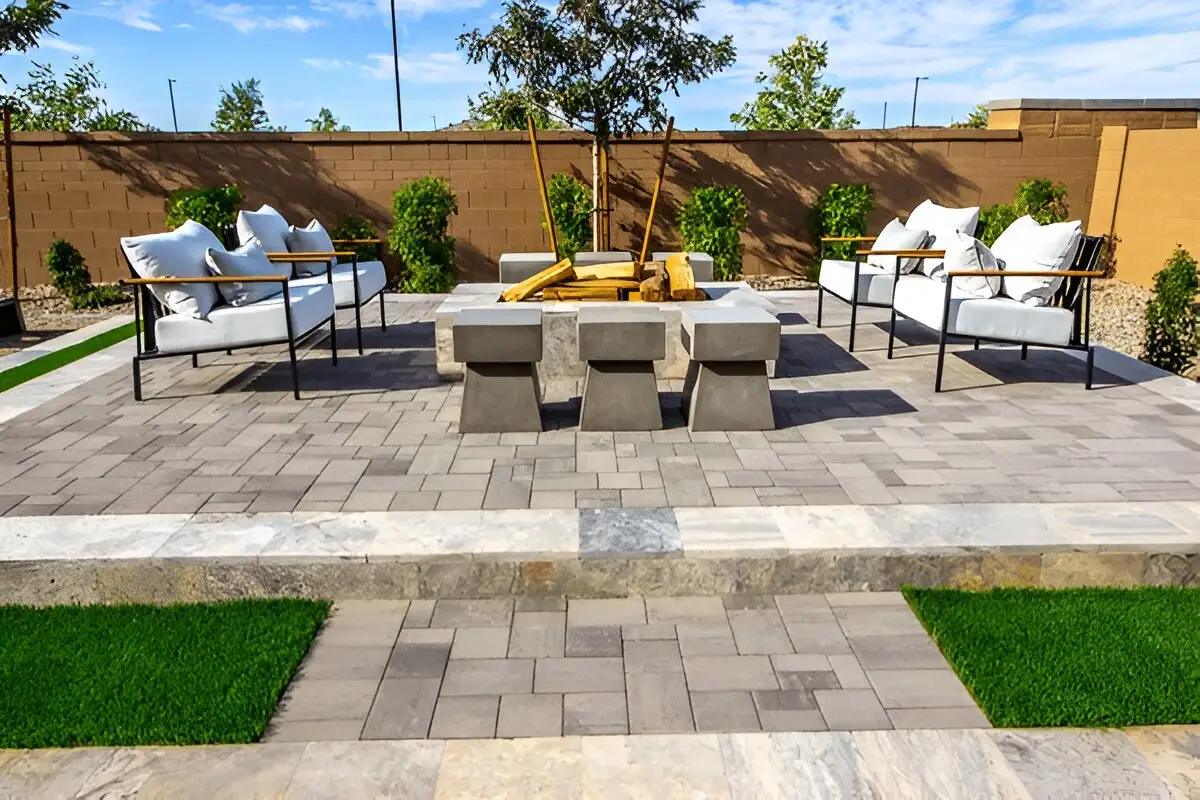
For most Middle Tennessee homes, the best time to build a deck in Tennessee is September through November, with October the strongest month. It’s the driest month on the NOAA record for Nashville, the ground is firm for digging footings, and crews aren’t fighting July’s 91°F average highs. Early spring is the next best window.
That answer assumes the paperwork is done. A deck can’t start until the city or county issues a building permit, and the permit needs a plot plan and construction drawings. So the real best time has two parts: plan in one season and build in the next. Families who call us in late fall or winter can have drawings and a permit in hand before the spring rush starts.
What is Middle Tennessee weather like for deck building, season by season?
NOAA’s 1991 to 2020 normals for Nashville International Airport show about 50 inches of precipitation a year, spread across every month. January averages a 49°F high and a 30°F low. July averages about 91°F. May is the wettest month and October the driest. Those four numbers shape how a deck build goes in each season.
| Season | What NOAA’s Nashville normals show | What it means for a deck build |
|---|---|---|
| Winter (Dec to Feb) | January high about 49°F, low about 30°F | Good for design, drawings and permits. Building happens on dry, unfrozen days. |
| Spring (Mar to May) | May is the wettest month of the year | Busy season. Rain can push back digging and concrete. |
| Summer (Jun to Aug) | July average high about 91°F | Ground is dry, but heat limits the working day. |
| Fall (Sep to Nov) | October is the driest month of the year | Best mix of dry ground and workable temperatures. |
Winter: plan now, build on the dry days
A January day in Spring Hill averages 49°F at its warmest and drops to about 30°F at night, per NOAA. That’s cold, but carpenters frame in it all the time. The trouble spots are frozen ground and wet weeks, because pier holes have to be dug to undisturbed soil and inspected before the concrete goes in. When the ground cooperates, a winter build moves along fine.
Winter’s bigger value is planning time. Our consultations and measurements, the design work and the permit drawings all happen at a table, so weather doesn’t slow them down. A homeowner who signs off on a design in December or January is ready to build the moment the first dry stretch shows up.
Spring: the season everyone wants
Spring is when most people start thinking about a deck, because the yard turns green and cookouts are on the calendar. That makes it the most requested season for deck builders across Williamson County. May also carries the most rain of any month in the NOAA normals for Nashville, and wet weeks stall excavation and concrete work.
Spring still works well for families who did their planning earlier. If your drawings are approved by the time the dogwoods bloom, you’re in line ahead of people who are only now calling for estimates. May is also NADRA’s Deck Safety Month, which the North American Deck and Railing Association has run since 2006, so it’s a good month to check an older deck you’re thinking about replacing.
Summer: dry ground, long days, real heat
July averages about 91°F at the airport, and a deck surface in full sun runs hotter than the air. The ground tends to be dry, which helps with footings. Crews start early and stop for the hottest part of the afternoon, so a summer build can take a little longer per day of work than a fall build of the same size.
Fall: the sweet spot for Middle Tennessee
October is the driest month on Nashville’s NOAA record. Temperatures drop off from summer, the soil is firm, and the spring rush is long over. You also get to use the new deck right away for fall evenings and holiday gatherings, then have it seasoned and ready when spring comes around.
Why does fall deck construction work so well in Middle Tennessee?
Fall deck construction works because the driest month of the year lines up with comfortable working temperatures and shorter waits for crews. Dry weeks mean pier holes stay clean and inspections stay on schedule. Cooler days mean full work days. And a deck finished in October or November is ready for spring without a spring wait.
There’s a schedule benefit too. In spring, a builder’s calendar fills with people who want their deck before summer. In fall, fewer homeowners are asking, so the time between a signed design and the first day on site can be shorter. John explains this to clients at the first meeting, because workforce availability is one of the biggest swings in any deck timeline.
How long does it take to build a deck?
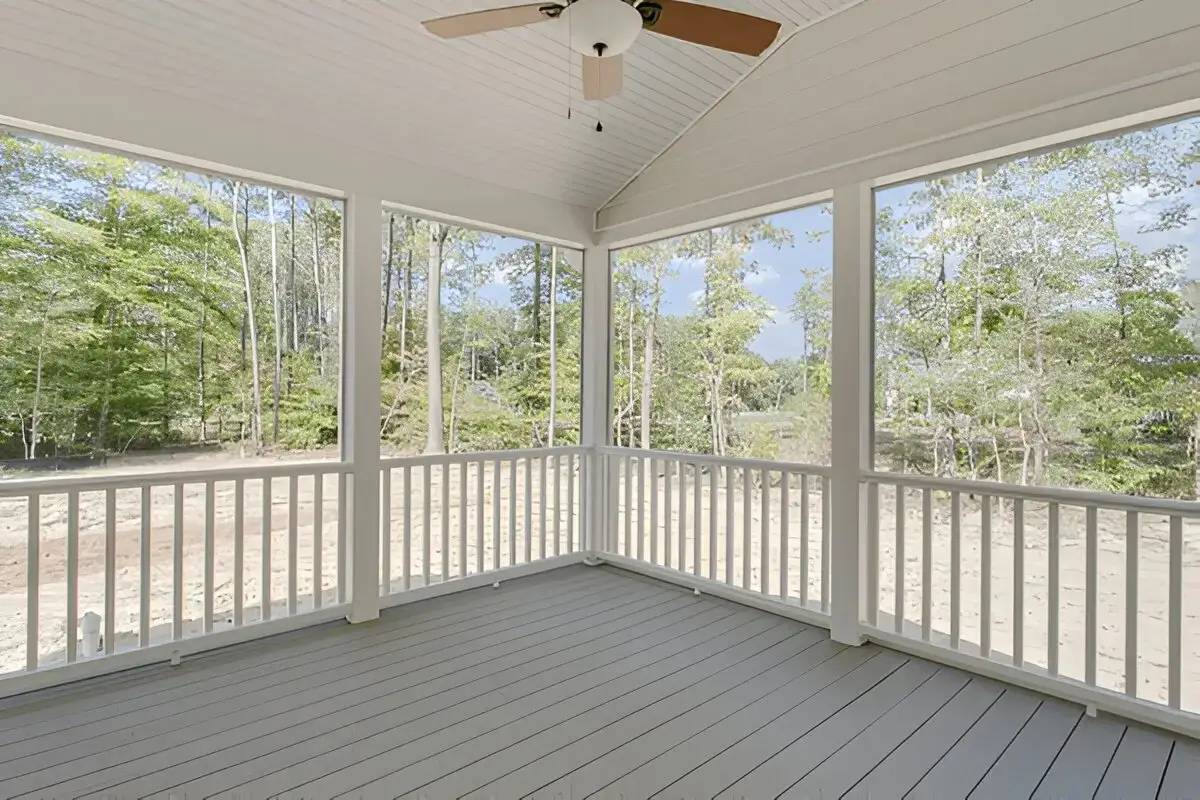
Most Nixon Renovations decks take one to two weeks to build once work starts on site. Larger or more detailed designs run one to three weeks, depending on size and design. That clock covers construction only. Consultation, design, permits and material orders all happen before the first post goes in, and they take their own time.
Size is the biggest factor. A simple single-level custom deck off the back door moves faster than a multi-level deck with stairs, built-in benches and a pergola, or one with a covered or screened section from our porch installation work. Material matters as well. Pressure-treated pine, cedar and redwood are cut and fastened differently from composite boards made by Trex and TimberTech, and each one has its own railing and fastener options. If you’re still choosing, our composite vs wood decking guide compares them for Middle Tennessee.
Weather is the third factor, and that’s where the season comes back in. A build that would take one week in dry October weather can stretch if May rain keeps the crew off the site for a few days. That’s one more reason to plan fall builds when you can.
“John walked me through the timeline of the project and informed me of process suchs as premitting, workforce availability, and material availability.”
Bill Sherry, Google review
Do permits and inspections change the timing of a deck build?
Yes. Permits and inspections set the start date for every deck in Franklin, Spring Hill and Columbia. Franklin’s Building and Neighborhood Services handout says a building permit is required before any work starts. Spring Hill’s Development Services checklist lists the drawings needed for plan review. Inspections then happen at set stages during the build.
Plan review comes before any digging
The City of Spring Hill’s Deck Permit Construction Checklist asks for a plot plan showing the deck’s location and size, setbacks to property lines, easements, other structures and any septic tank. It also asks for construction drawings covering footing locations, depth and size, joist size and spacing, post and beam sizes, connections, ledger attachment with flashing, handrail height and stair location. If a hot tub or swim spa will sit on the deck, engineering is required.
Franklin’s handout asks for a plot plan as well, and decks with roofs must meet setback rules. Inside Columbia city limits, permits go through City of Columbia Development Services. Unincorporated areas go through Maury County Building and Zoning or Williamson County Building and Codes. Nixon handles permits, inspections and approvals for our clients, and our deck permit guide for Franklin, Spring Hill and Columbia covers each office in detail.
Footings and pier inspections
Footings are the first thing built and the first thing inspected. Franklin’s handout calls for footings at least 16 by 16 inches with at least 8 inches of concrete under the posts, and pier holes dug to undisturbed soil. The city inspects the pier holes before concrete is poured. That inspection is a fixed step, so the crew digs, waits for the inspector, then pours.
This is where weather and season meet the permit process. Rain can fill open pier holes and frozen ground is hard to dig, so a wet week in May or a cold snap in January can push the inspection back. In October, the driest month of the year, pier holes usually stay dry between the dig and the inspection.
Want to get your deck on the schedule before the spring rush? Request a free estimate or call us at 931-616-1524. We’ll measure, draw the plan, handle the permit and give you a detailed written quote. You can look through past builds in our project gallery first.
When should you stain a new pressure-treated deck?
New pressure-treated pine usually needs time to dry before stain soaks in well, so most wood decks aren’t stained the day they’re finished. How long depends on the lumber, the weather and the stain maker’s instructions. We go over timing at the final walkthrough, and every homeowner gets a simple maintenance guide covering it.
The season you build in changes the staining plan. A deck finished in October has the fall and winter to dry out, and the first stain coat can go on once spring weather settles in. A deck finished in May is going straight into summer sun, so the timing for the first coat comes around sooner in the calendar, but in hotter weather.
After that first coat, our standing advice for wood decks is to reseal every 2 to 3 years. Composite boards from Trex and TimberTech don’t take stain. They get washed with soap and water. If staining sounds like a chore you’d rather skip, that’s worth weighing before you pick a material.
How does summer heat affect a deck build in Middle Tennessee?
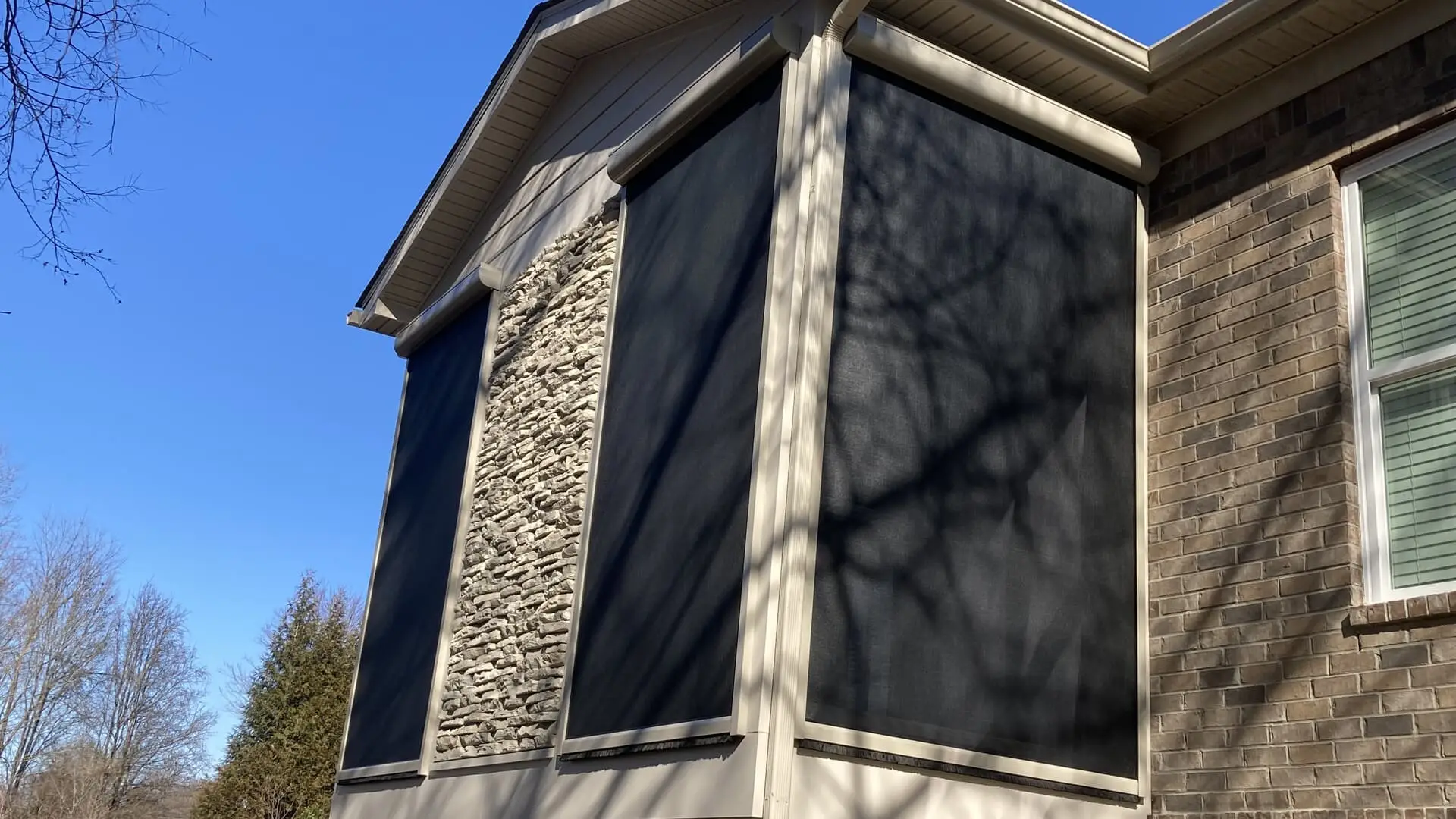
Summer heat shortens the productive working day. July in Nashville averages about 91°F, and crews cutting and fastening boards in full sun need early starts, shade and water breaks. A summer build still gets done, often in the one to two weeks Nixon quotes for most decks, but the daily schedule shifts toward the morning.
“John, rebuilt our old worn out deck. The design, craftsmanship, and materials used were excellent.”
Thomas Smith, Google review
Thomas Smith’s longer review also mentions the crew working through extreme heat. That’s normal for summer jobs in Middle Tennessee, and it’s one reason we recommend fall for anyone who has a choice. If you need the deck before a summer event, plan for a morning-heavy work schedule and keep the start date firm.
How should you plan a deck working back from a target date?
Start with the date you want to use the deck and count backward through each step: consultation, design, permit drawings, plan review, material order, then the one to two week build. Permit offices and material suppliers set their own pace, so leave room. The example below shows a spring 2027 target planned from today, late October 2026.
Say you’d like a new deck finished before Memorial Day 2027. Here’s how the steps line up, month by month. Treat the months as an example, not a promise, because plan review and material availability decide the real pace.
- In November 2026, call for a free consultation. We visit, measure the yard and the house, and talk through size, material and budget.
- In December 2026, you review the layout, stairs, railings and any covered areas, and we prepare the written quote.
- In January 2027, the permit drawings and plot plan go to the city or county for plan review. In Spring Hill, that means Development Services at 8060 Station Hill Drive.
- In February 2027, we answer any plan review comments and order materials once the design is final.
- In March 2027, on the first dry stretch, we dig pier holes, the inspector checks them, and concrete is poured.
- Through March and April 2027, the crew frames the deck, lays the boards, adds railings and stairs, and the final inspection follows.
- By late April 2027, we do the final walkthrough and hand over your maintenance guide, ahead of May’s rain.
Shift the whole list forward if you’re aiming for a fall build. A homeowner who wants the deck finished by October could start the consultation in late spring or summer and build in September or October, the driest stretch of the year.
If you’re working with a budget target as well as a date, our deck cost guide for Williamson County lays out the published numbers. Cost vs Value 2025 from Zonda and the Journal of Light Construction puts a national wood deck addition at $18,263 for a 16 by 20 foot deck. Divided by 320 square feet, that’s about $57 per square foot as a national reference point.
Is winter a bad time to build a deck in Tennessee?
No. Winter in Middle Tennessee is mild enough to build on many days, with January highs averaging about 49°F at the Nashville airport. The limits are frozen ground and wet weeks that hold up pier inspections. Winter is the best season for design and permits, and some builds finish then too.
We build across our service areas year round, including Franklin, Spring Hill, Thompsons Station and Columbia. You can read more about our deck installation process and the team at Nixon Renovations before you call.
Get on the schedule for a fall or spring deck build
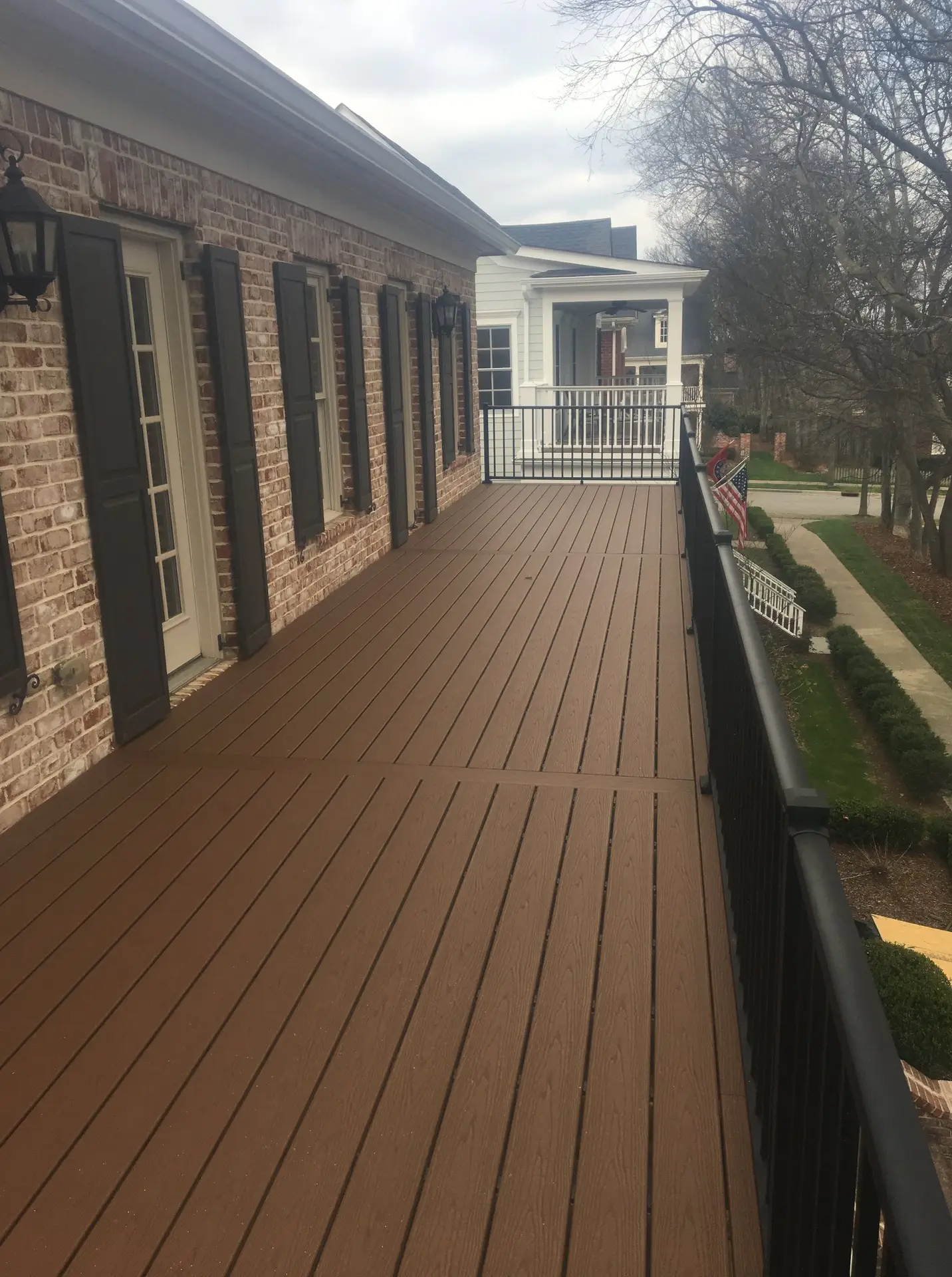
Nixon Renovations has built decks since 2002 across Williamson, Maury and Davidson counties. Call this fall for a free estimate and we’ll have your plan and permit ready before the spring rush.
Request a free estimate
Call 931-616-1524
Frequently asked questions
What month is best to build a deck in Middle Tennessee?
October is the best single month for most homes. It’s the driest month at Nashville International Airport in NOAA’s 1991 to 2020 normals, temperatures are comfortable for crews, and the spring rush is over. September and November are close behind. Plan and permit a few months ahead so the build can start when the dry weather arrives.
Can you build a deck in the winter in Tennessee?
Yes. January in Nashville averages a 49°F high and a 30°F low, which is workable for framing. Frozen ground and wet weeks can delay digging and the pier hole inspection, so winter schedules stay flexible. Winter is also the best time to finish design, drawings and permits so you’re ready for spring.
How long does it take to build a deck?
Most Nixon Renovations decks take one to two weeks once construction starts. Larger or more detailed designs take one to three weeks depending on size and design. Consultation, design, permits and material orders happen before that, and rain or extreme heat can add days to the build itself.
Is spring a bad time to build a deck?
Spring works, but it’s the busiest season and May is the wettest month in NOAA’s Nashville normals. Rain can delay pier holes and concrete. Homeowners who finish design and permits over the winter can start in early spring, ahead of families who wait until the weather warms up to call.
Do I need a permit to build a deck in Spring Hill or Franklin?
Yes. Franklin requires a building permit before any work starts, and Spring Hill’s Development Services checklist asks for a plot plan and construction drawings. Franklin also inspects pier holes before concrete is poured. Nixon Renovations handles permits, inspections and approvals, and every deck meets Tennessee state and local codes.
When should I stain a new pressure-treated deck?
New pressure-treated pine usually needs to dry before stain absorbs well, so it isn’t stained the day the build ends. Timing depends on the lumber, the weather and the stain label. We cover it at the final walkthrough. After the first coat, reseal wood decks every 2 to 3 years.
Does summer heat affect deck construction?
Yes. July in Nashville averages about 91°F, so crews start early and slow down in the afternoon heat. The ground is usually dry, which helps footings, but the shorter working day can stretch the schedule a bit. Fall builds avoid both the heat and May’s heavy rain.
Sources
- NOAA 1991 to 2020 climate normals, Nashville International Airport (BNA).
- City of Franklin, TN, Building and Neighborhood Services, “Deck Construction” handout
- City of Spring Hill, TN, Development Services, “Deck Permit Construction Checklist”
- North American Deck and Railing Association (NADRA)
- Cost vs Value 2025, Zonda / Journal of Light Construction
